
5 Common Myths About DSL Internet: What You Really Need to Know
ET
Understanding DSL Internet
DSL Internet has been around for quite some time, yet there are persistent myths that cloud its reputation. In this post, we aim to dispel some of these myths and provide clarity on what DSL Internet truly offers.
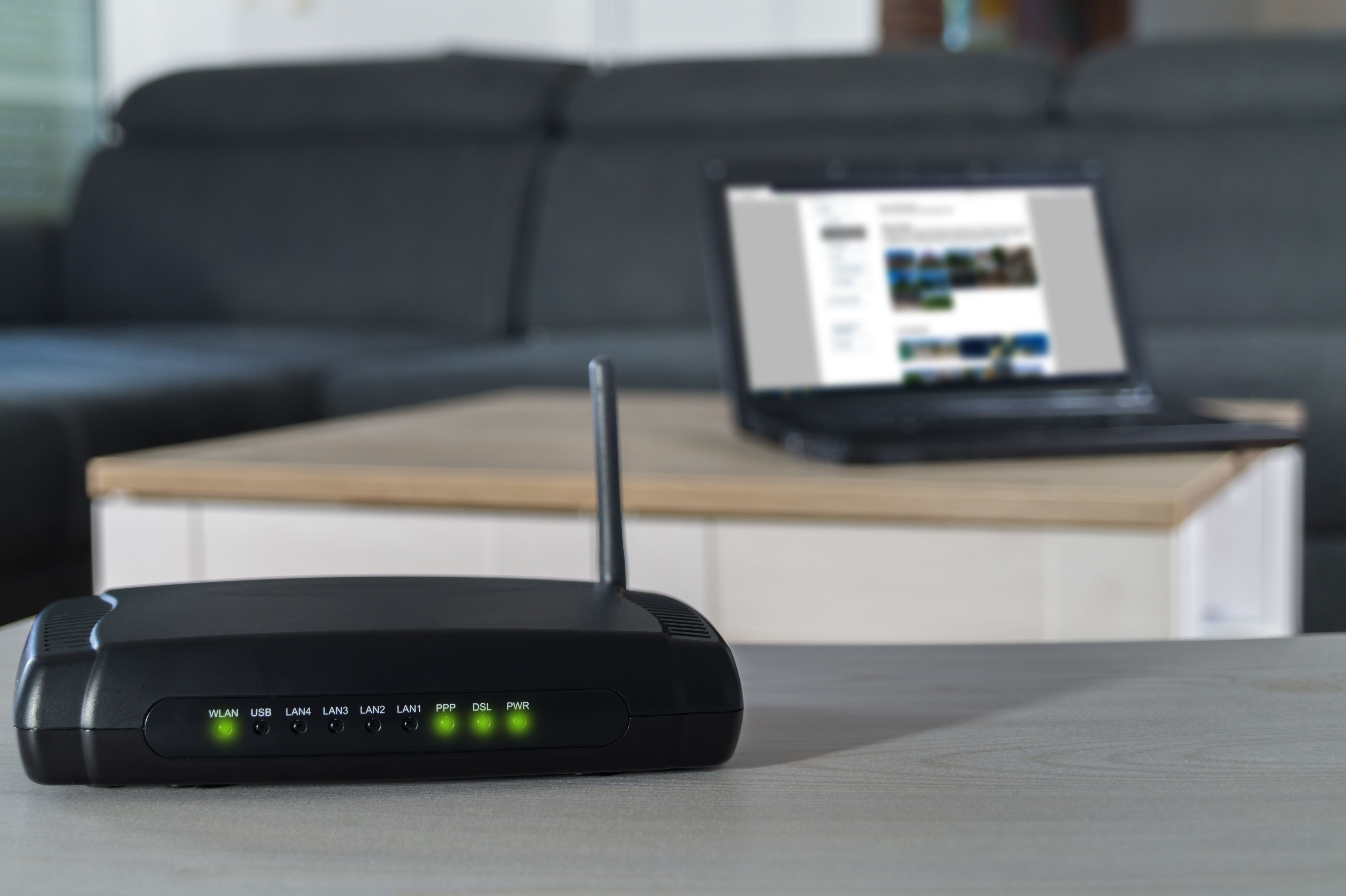
Myth 1: DSL is Slower Than All Other Options
One common misconception is that DSL is inherently slower than other types of Internet connections. While it's true that fiber optics can offer superior speed, DSL provides fast enough speeds for many households. **DSL speeds have improved**, and many providers now offer plans that can easily handle streaming, gaming, and other high-demand activities.
Moreover, DSL speeds vary based on the distance from the provider's central office and the quality of the phone lines. So, **not all DSL connections are created equal**. It's important to check with your provider about the specific speeds available in your area.
Myth 2: DSL is Unreliable
Another myth is that DSL is unreliable and prone to frequent outages. In reality, DSL can be very stable. **Unlike satellite Internet**, which can be affected by weather, or cable Internet, which can suffer during peak times, DSL offers consistent performance. As long as the infrastructure is maintained, DSL can be a reliable choice for many users.
Myth 3: DSL Limits Your Online Activities
Some believe that DSL limits what you can do online, but this is not necessarily the case. **Modern DSL connections** can support bandwidth-intensive activities like HD streaming and online gaming. While it might not reach the highest speeds offered by fiber, DSL is more than capable for the average user’s daily needs.
If you're not running a server or engaging in professional e-sports, DSL can likely handle everything you need at home. For many, the balance of speed, reliability, and cost makes DSL a practical choice.
Myth 4: DSL is Outdated Technology
Many assume that DSL is an outdated technology, but this couldn't be further from the truth. **DSL technology has evolved** significantly, and many companies continue to invest in it. The infrastructure is widespread, making it accessible in many areas where fiber or cable might not be available.

Myth 5: Switching to DSL is Complicated
Lastly, the belief that switching to DSL is a hassle keeps some people from making the switch. However, **the process is typically straightforward**. Most providers offer professional installation services, and the necessary equipment is usually included or available for rent.
Switching providers can even be an opportunity to bundle services for discounts, making it a cost-effective decision for many households.
In conclusion, while DSL might not be the newest kid on the block, it's far from obsolete. With improved speeds, reliability, and accessibility, DSL remains a viable option for many looking for a stable Internet connection. Dispelling these myths can help you make an informed decision about your Internet service.